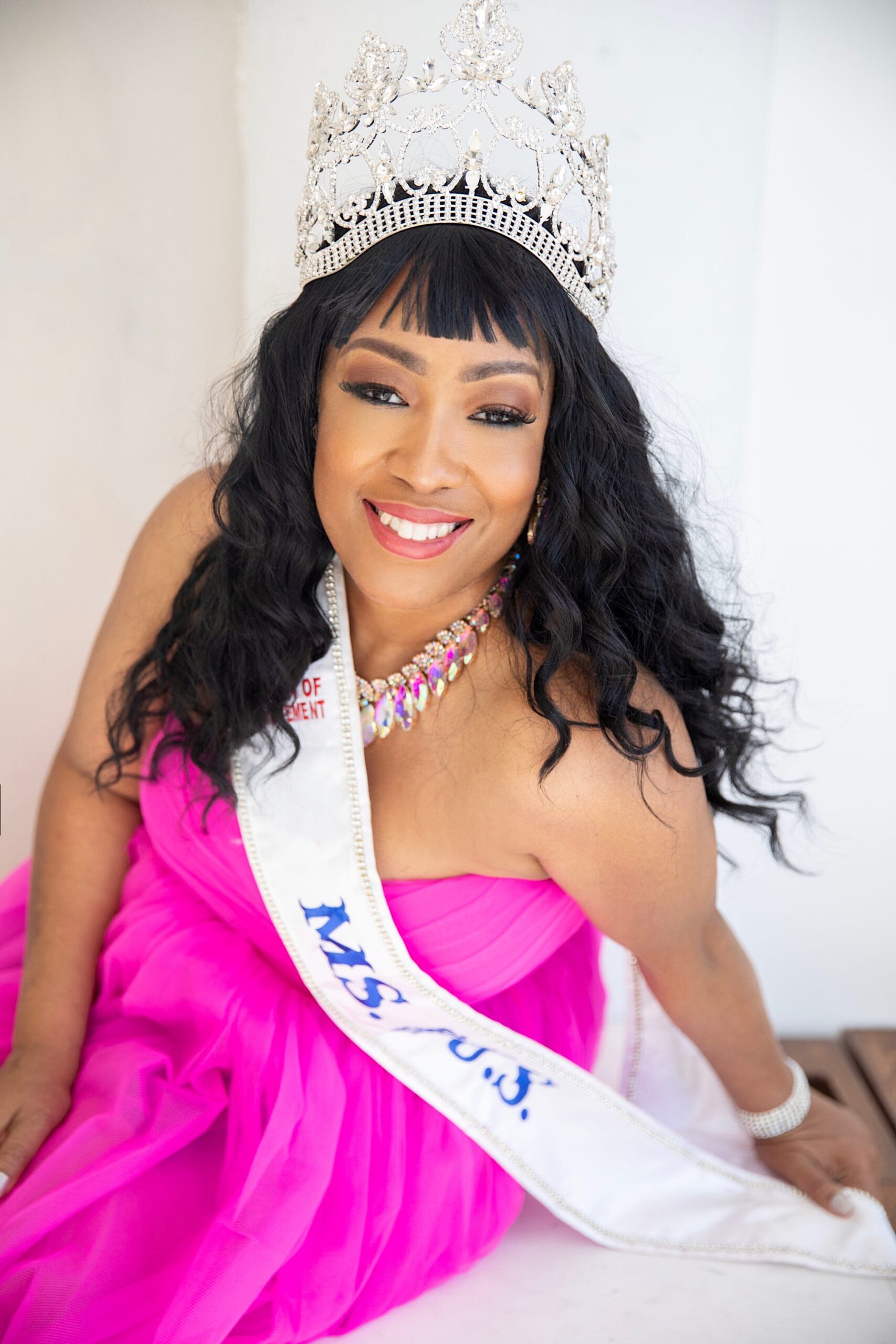
Army Veteran Helping Organizations Turn Stress Into Resilience
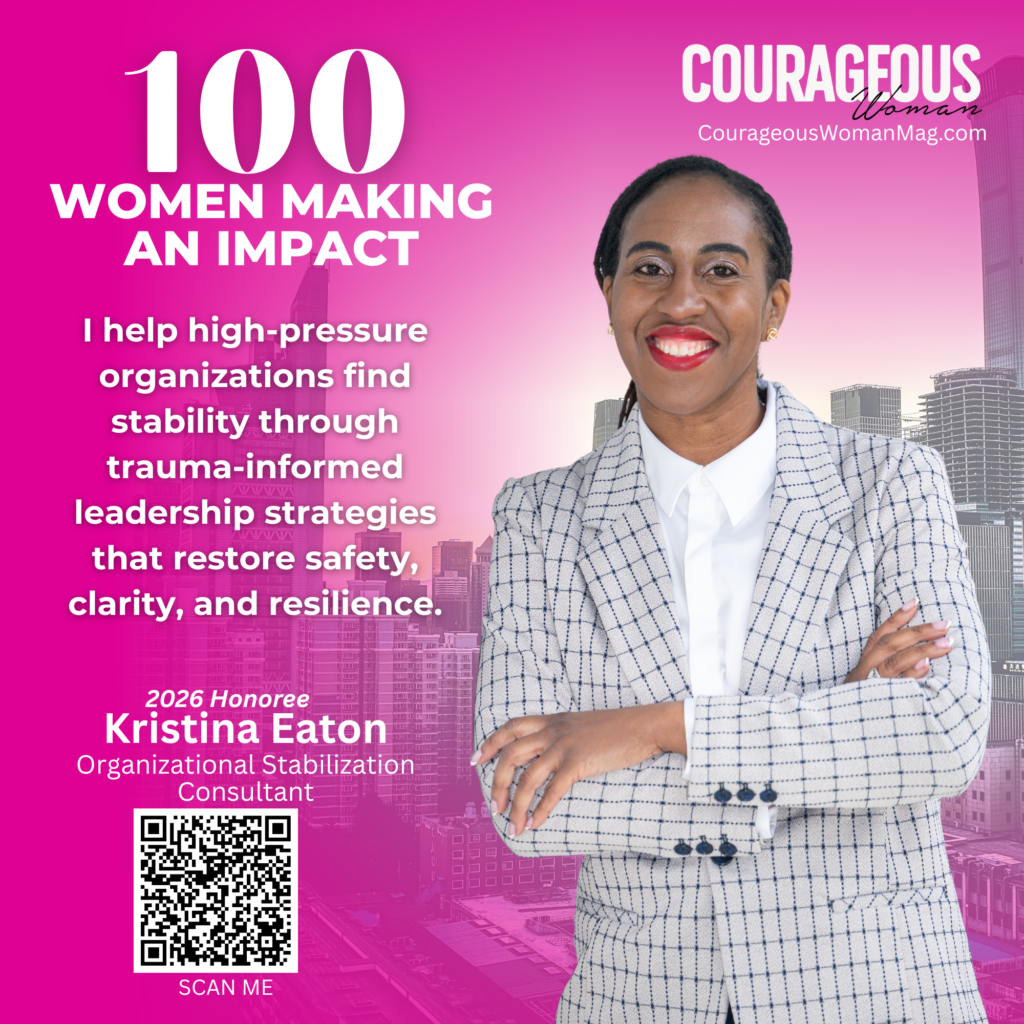
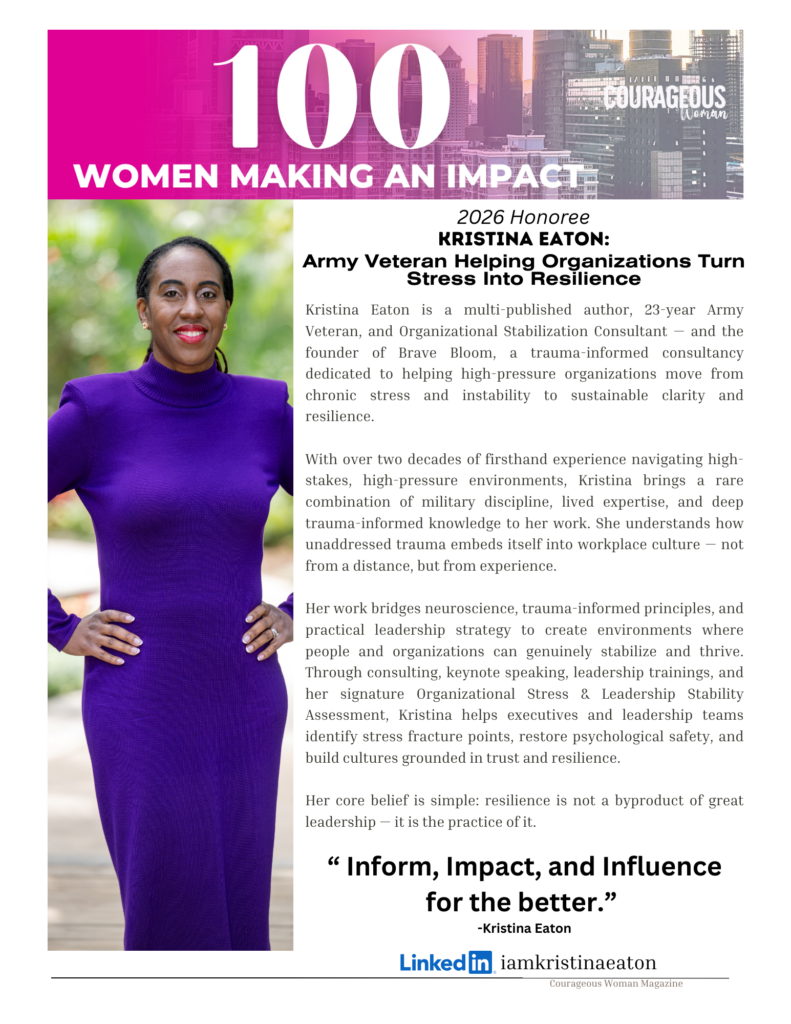
Kristina Eaton is a multi-published author, 23-year Army Veteran, and Organizational Stabilization Consultant — and the founder of Brave Bloom, a trauma-informed consultancy dedicated to helping high-pressure organizations move from chronic stress and instability to sustainable clarity and resilience.
“A Courageous Woman exudes resilience and inner strength beyond understanding at all times.”
With over two decades of firsthand experience navigating high-stakes, high-pressure environments, Kristina brings a rare combination of military discipline, lived expertise, and deep trauma-informed knowledge to her work. She understands how unaddressed trauma embeds itself into workplace culture — not from a distance, but from experience.
Her work bridges neuroscience, trauma-informed principles, and practical leadership strategy to create environments where people and organizations can genuinely stabilize and thrive. Through consulting, keynote speaking, leadership trainings, and her signature Organizational Stress & Leadership Stability Assessment, Kristina helps executives and leadership teams identify stress fracture points, restore psychological safety, and build cultures grounded in trust and resilience.
Her core belief is simple: resilience is not a byproduct of great leadership — it is the practice of it.
“ Inform, Impact, and Influence for the better”.
-Kristina Eaton
To learn more about the mission behind her work and the experiences that shaped her approach to leadership and organizational health, we spoke with Kristina Eaton about her journey, her upcoming book, and what leaders must understand about stabilizing their teams in high-pressure environments.
You retired as a U.S. Army Logistician after 23 years operating in some of the most high-pressure environments. How did that experience shape the way you help organizations stabilize their teams and prevent burnout?
The Army didn’t just teach me logistics — it showed me how people behave under sustained pressure. I watched high-performing teams fracture, leaders burn out silently, and mission-critical work suffer because no one had a framework for stabilizing the human element. I led with compassion. I always saw people first and rank second, and I treated them as such. My concern was the heart of the Soldier — what are they going through, and how can I help them get through it before they burn out. I lived that culture from the inside. So when I walk into an organization today, I’m not trying to find the cracks — I recognize them. That insider experience is the foundation of everything I do at Brave Bloom. I’m not consulting from a textbook. I’m pulling from 23 years of leading people through the hardest moments of their lives.
Your work at Brave Bloom is described as trauma-informed organization stabilization. What does that actually mean in practice, and why do you believe traditional consulting approaches fall short in high-pressure environments?
Most traditional consulting treats organizational dysfunction as a process problem. But in high-pressure environments — veteran-serving organizations, social work agencies, mission-driven teams — the dysfunction is almost always a people problem first. At Brave Bloom, we merge systems, people, and their human nature responses to trauma as it pertains to the nervous system. We integrate physiological resilience and nervous system regulation strategies directly into leadership stabilization — addressing what’s happening beneath the surface before it fractures the team above it. That’s exactly what the RESTORE™ Framework was built to do — a proprietary 12-week methodology that rebuilds organizational health from the inside out.
Your upcoming book, Armor Off: Letters from the Battle Within, deals with deeply personal themes of adversity and resilience. How does your own story inform the way you show up for the organizations and leaders you serve?
I can’t ask leaders to be honest about what’s breaking their teams if I’m not willing to be honest about what broke me. Armor Off is my testimony — the adversity, the faith, the long road back to wholeness. That journey didn’t just make me stronger; it made me a better consultant. I understand what it costs to keep performing when you’re running on empty, because I’ve done it. That lived experience gives me access to rooms and conversations that credentials alone never could. I don’t show up with a clipboard. I show up with perspective — and that changes everything.
What is the most common mistake you see leaders make when their teams are in crisis — and what does real stabilization actually look like?
The most common mistake is confusing activity with stabilization. Leaders in crisis mode often respond by adding more — more meetings, more initiatives, more accountability measures — when what the team actually needs is a pause, an azimuth check, and a solution that corrects the disconnect between the brain’s response and physical action. Leaders stay focused on the mission and the organization, but they rarely stop to check the mental wellness of the people executing it. The team is expected to leave their problems at the door and perform on autopilot. Real stabilization means seeing your team as human first. It means leading with a human-focused blueprint — because people are your biggest asset and should be treated as your most valuable one.
As Kristina Eaton continues to work with organizations across industries, her message remains clear: sustainable leadership begins with understanding the human element. Through Brave Bloom, her writing, and her speaking, she is helping leaders create environments where resilience, trust, and stability are not just ideals — but everyday practices.
https://www.linkedin.com/in/iamkristinaeaton/