Real Conversations. Expert Insight. Healing That Matters.
Mental health affects every part of our lives, including how we think, cope, communicate, heal, and care for ourselves and others. Yet despite the growing awareness surrounding emotional wellness, many people still struggle silently with anxiety, trauma, stress, burnout, grief, and emotional exhaustion.
To help create safe and meaningful conversations around mental health, Courageous Woman Magazine invited four mental health professionals to answer important questions many people are often afraid to ask. Through their professional expertise, personal experiences, and compassionate insight, these experts share encouragement, practical wisdom, and reminders that healing, support, and emotional wellness matter.
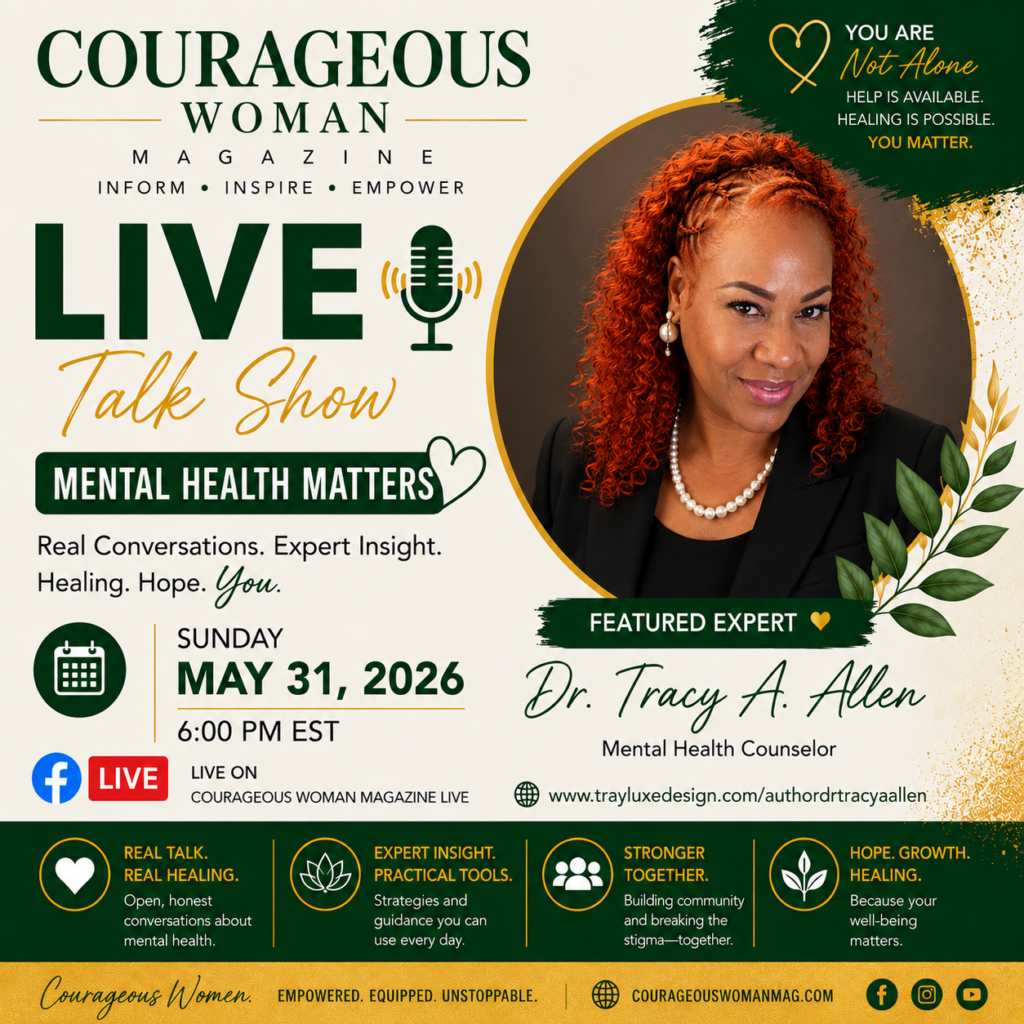
As a breast cancer survivor, counselor, and retired Army officer, what has your journey taught you about resilience and protecting your mental health?
Dr. Tracy A. Allen, Mental Health Counselor
My journey taught me that true strength is not pretending to be okay while carrying everything alone. Healing requires honesty, support, rest, and self-care. Resilience is built during life’s most difficult moments, not the easiest ones. Through faith, community, and personal growth, I learned that prioritizing mental health is not selfish. Asking for help is a sign of courage, and giving yourself grace is an important part of healing and moving forward.
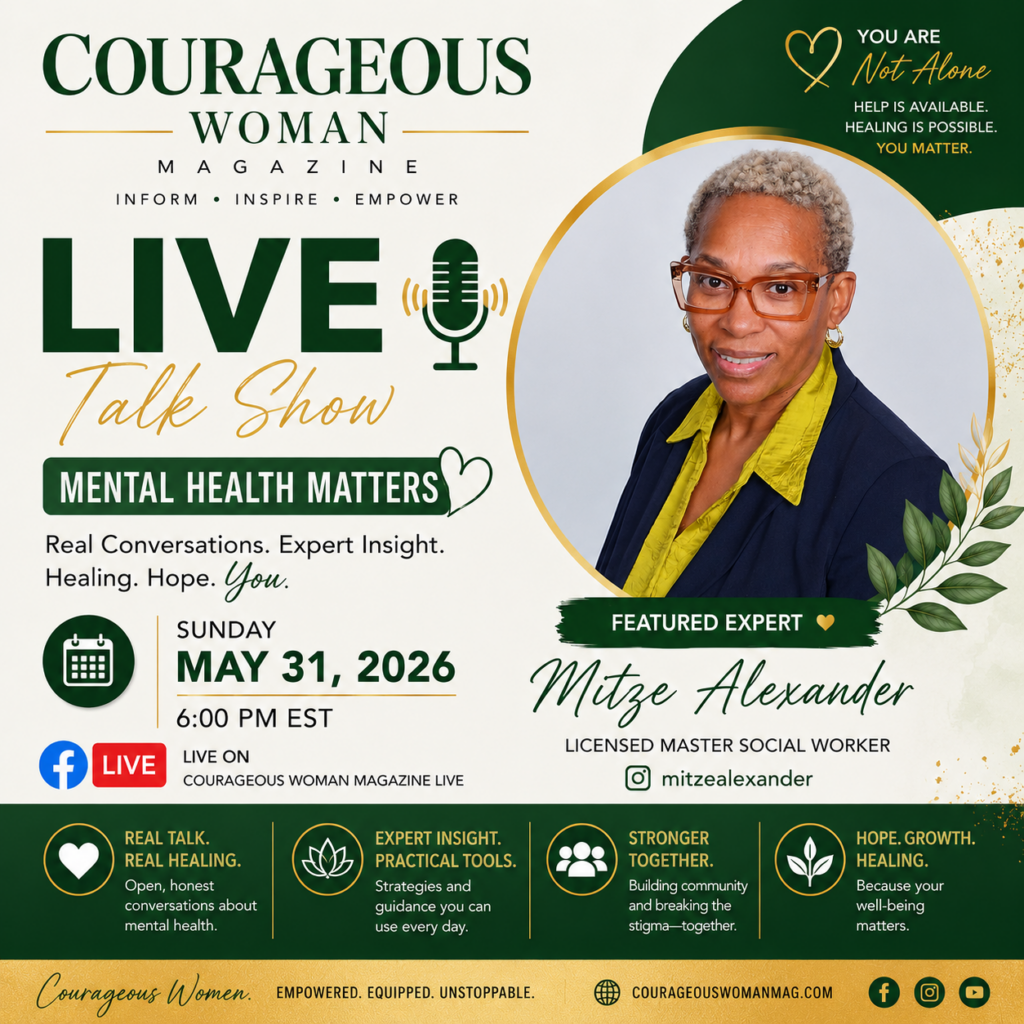
How can parents better support the emotional wellness of their children and teens?
Mitze Alexander, LMSW
In my experience, parents often bring their children into therapy seeking an immediate change, and they don’t realize that their child’s symptoms are also connected to them. Oftentimes, parents are absorbed in their daily lives, which can be hectic, but they must take the time to support their child through what I call “attentive support.” Although parents don’t think they need to attend sessions, I like to include the parents from time to time and present positive parenting techniques and coping strategies that I have introduced to the child. The support of a parent goes a long way and also assists the child in feeling that they are not in this alone.
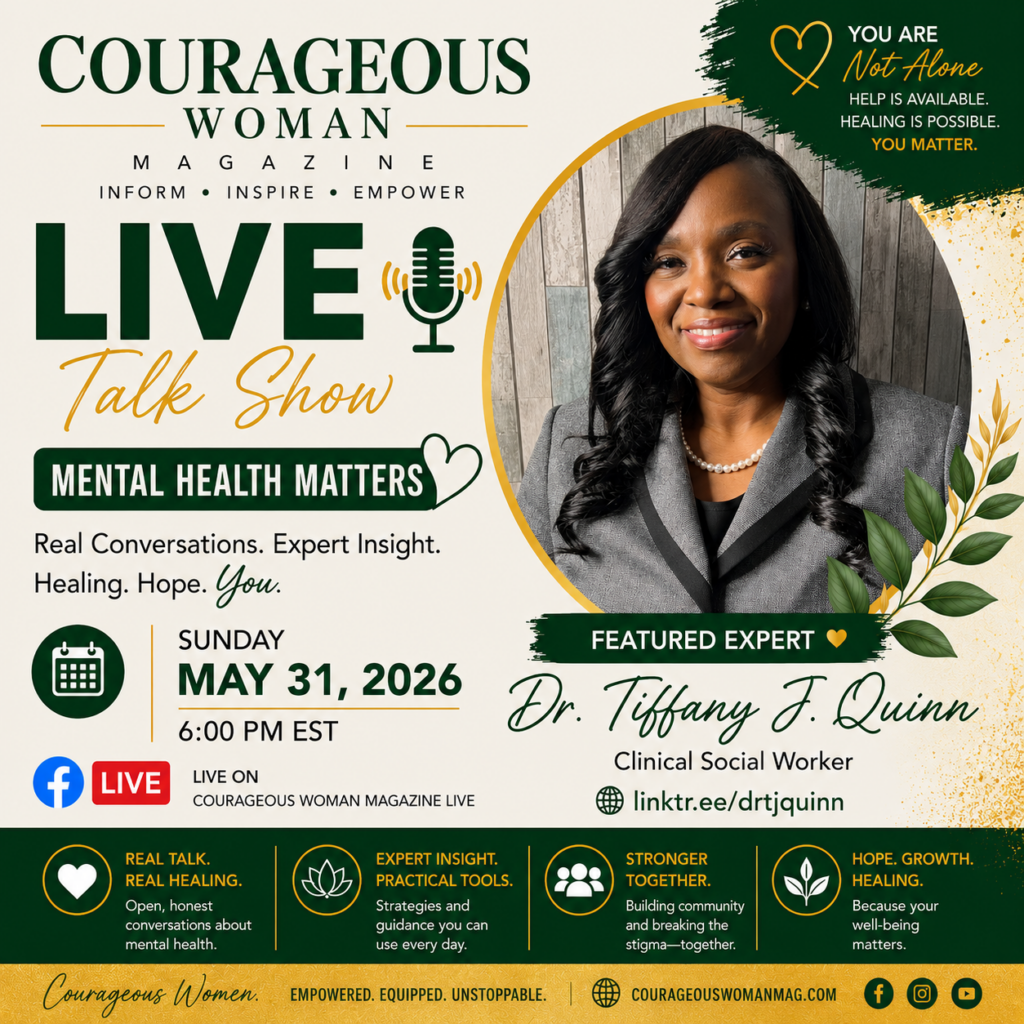
How can mindfulness and self-awareness help people improve their mental health and overall well-being?
Dr. Tiffany J. Quinn, Clinical Social Worker
Mindfulness is the practice of paying attention to the present moment without judgment. It helps us become aware of our thoughts, emotions, and behaviors instead of reacting automatically. Many people spend their days on autopilot, carrying stress, worry, and past experiences without realizing how much those things affect their mental health.
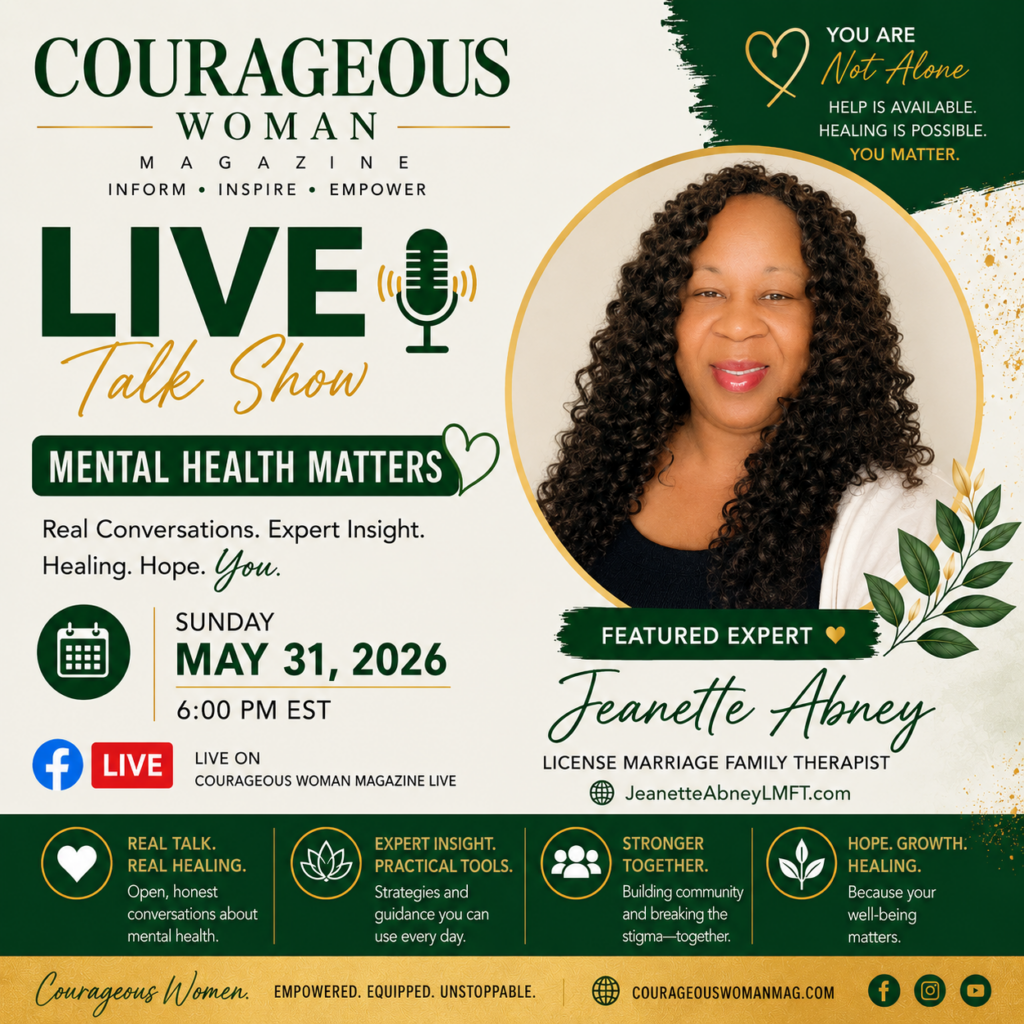
Why is emotional healing just as important as physical healing?
Jeanette Abney, LMFT
Emotional healing is very important yet not prioritized as women are concerned about their physical attraction versus emotional healing. This can be learned from others. And a way to mask mental health issues. Woman were taught to be strong and look good but ignore their mental health. Which can have a negative impact on others. Seeking resources and assistance to acknowledge and heal can break generational curses. Healing creates a better version of themself in all areas of their life.
Healing is not weakness. Asking for help is not failure. Prioritizing emotional wellness is one of the most important investments individuals can make in themselves, their families, and their future.
Through conversations like these, we help normalize discussions surrounding therapy, emotional healing, trauma, mindfulness, parenting, resilience, and self-care. We also remind people that they do not have to navigate life’s challenges alone.
As Mental Health Awareness Month comes to a close, Courageous Woman Magazine remains committed to creating space for healing conversations, expert insight, and resources that empower individuals to live healthier, stronger, and more emotionally balanced lives.
Because mental health matters every month, not just in May.